🏢 The Evolving Workplace: AI and Automation
AI and automation are redefining the nature of work, reshaping roles, and creating new opportunities. As machines take over repetitive tasks, human workers are empowered to focus on creativity, problem-solving, and innovation.
🔄 Changing Job Landscape
The job landscape is changing rapidly. Routine and manual tasks are now often handled by AI-powered systems, freeing up time for more creative and strategic work. There is a growing demand for AI specialists, data analysts, and creative problem-solvers. Lifelong learning and adaptability have become essential skills for future success.
🌍 Societal Impact
Society is experiencing both job displacement and creation as AI and automation reshape industries. While some roles disappear, new opportunities are emerging in technology, healthcare, and creative fields. Automation also has the potential to reduce burnout and enable more flexible work arrangements, improving work-life balance.
🤝 Collaboration: Humans and Machines
Augmenting the Workforce
AI and automation are not just about replacing jobs—they are about enhancing human capabilities. By taking over repetitive and dangerous tasks, machines free up people to focus on creative, strategic, and interpersonal work.
What This Means for Organizations:
Organizations need to combine AI-driven insights with human judgment, forming cross-disciplinary teams that balance technical expertise and domain knowledge. This shift enables faster adaptation to market changes and supports smarter, data-informed decision making across functions.
🛠️ Building a Future-Ready Workforce
Key Strategies
Preparing for the future of work requires investment in continuous learning programs that encourage upskilling and reskilling, thoughtful adoption of flexible work models that technology makes possible, and principles for ethical automation that protect fairness and transparency during deployments.
📈 Real-World Impact: Case Studies
Industry Examples
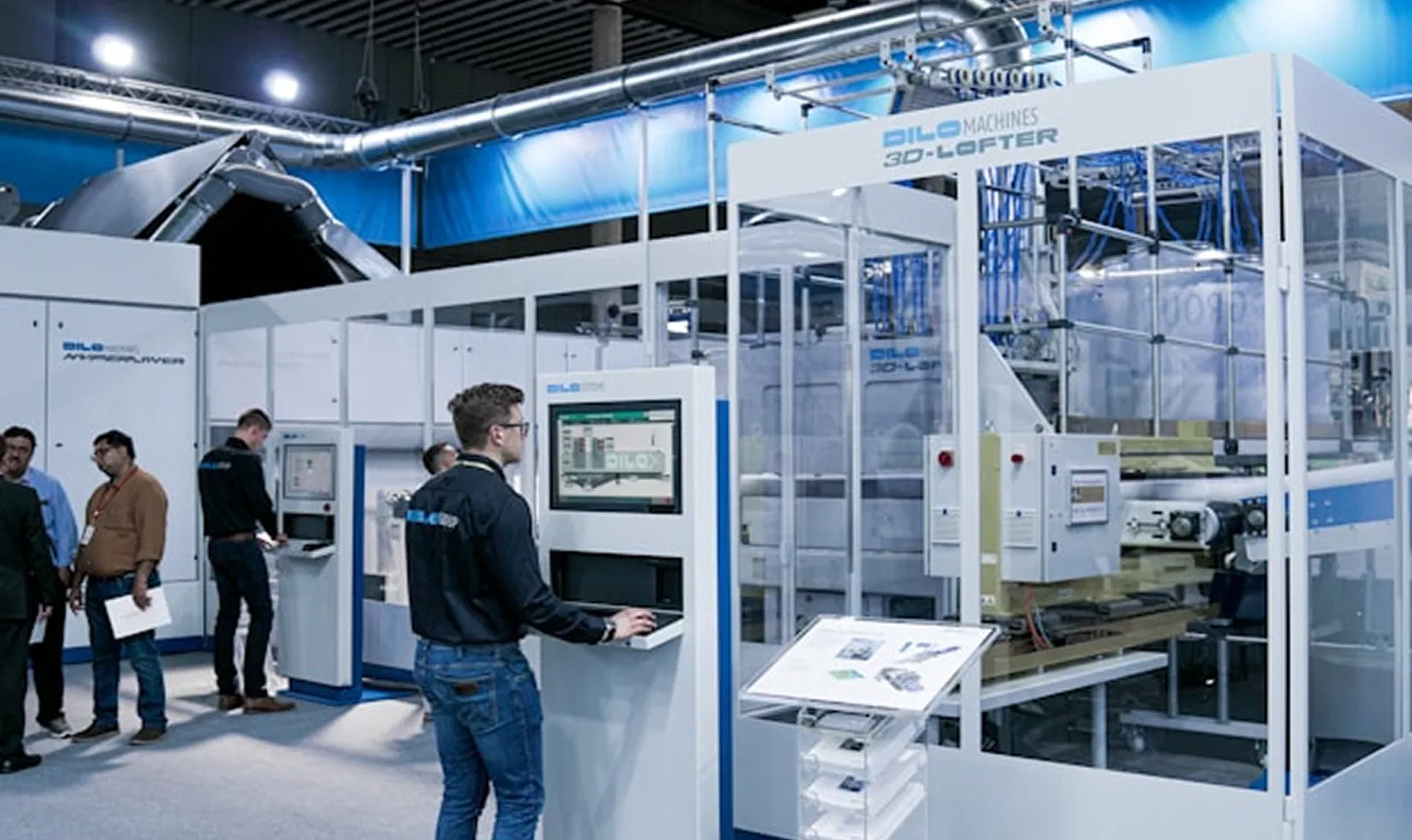
Across sectors, we see collaborative robots assisting on factory floors, AI supporting diagnostics and patient workflows in healthcare, and automated systems improving compliance and fraud detection in finance. These examples demonstrate how humans and machines can work together to improve productivity and safety.
🚀 Preparing for the Future
Embracing AI and automation means investing in skills, fostering adaptability, and reimagining the workplace for a more dynamic, human-centered future.
🧩 Conclusion: Embrace the Transformation
The future of work is not about replacement—it’s about transformation. By preparing today, organizations and individuals can thrive in tomorrow’s AI-powered world.
✨ The future of work is not about replacement—it’s about transformation.
📊 Data & Resources
Reports from industry groups emphasize that successful transitions combine automation with robust reskilling programs and supportive policies. Platforms for learning and upskilling include Coursera, edX, and internal learning platforms; organizations should track skills growth and role transitions as key metrics for success.
🛠️ Actionable Steps
Start by auditing current roles to identify tasks that can be automated and skills that will be in greater demand. Invest in continuous learning programs, create internal mobility paths, and pilot flexible work models to see what improves productivity and retention. Make ethical considerations a part of automation planning so changes are fair and transparent to employees.
Further Reading
Look for longitudinal studies and government labor reports to understand macro trends, and combine them with internal HR metrics to make targeted investments in training.